
Modern Heat Pumps Built for Michigan Winters — Not the Ones You Remember
Today's cold-climate heat pumps perform well below freezing, and Andringa's Mechanical installs and services them across West Michigan with 20-plus years of honest diagnostic experience behind every recommendation.

The heat pump conversation in Michigan has changed. The systems available today are fundamentally different from what gave heat pumps a bad reputation in colder climates — and a lot of homeowners are making decisions based on outdated information. We install and service cold-climate heat pumps across Kalamazoo, Grand Rapids, and Holland, and we'll give you a straight answer about whether one makes sense for your home before any equipment gets ordered.
As an authorized Ruud Pro partner — one of the few in West Michigan — we have access to a full line of heat pump systems engineered for the temperature swings this region actually sees.

How a Heat Pump Works (Without the Jargon)
A heat pump doesn't generate heat the way a furnace does. Instead, it moves heat that already exists in outdoor air — even cold outdoor air — into your home. In summer, it reverses the process and pulls heat out of your home to cool it. One system handles both seasons.
The efficiency advantage comes from that movement. Moving heat requires significantly less energy than generating it from combustion. Modern cold-climate heat pumps maintain that efficiency advantage down to temperatures well below 0°F — a threshold that covers the vast majority of Michigan winter days.
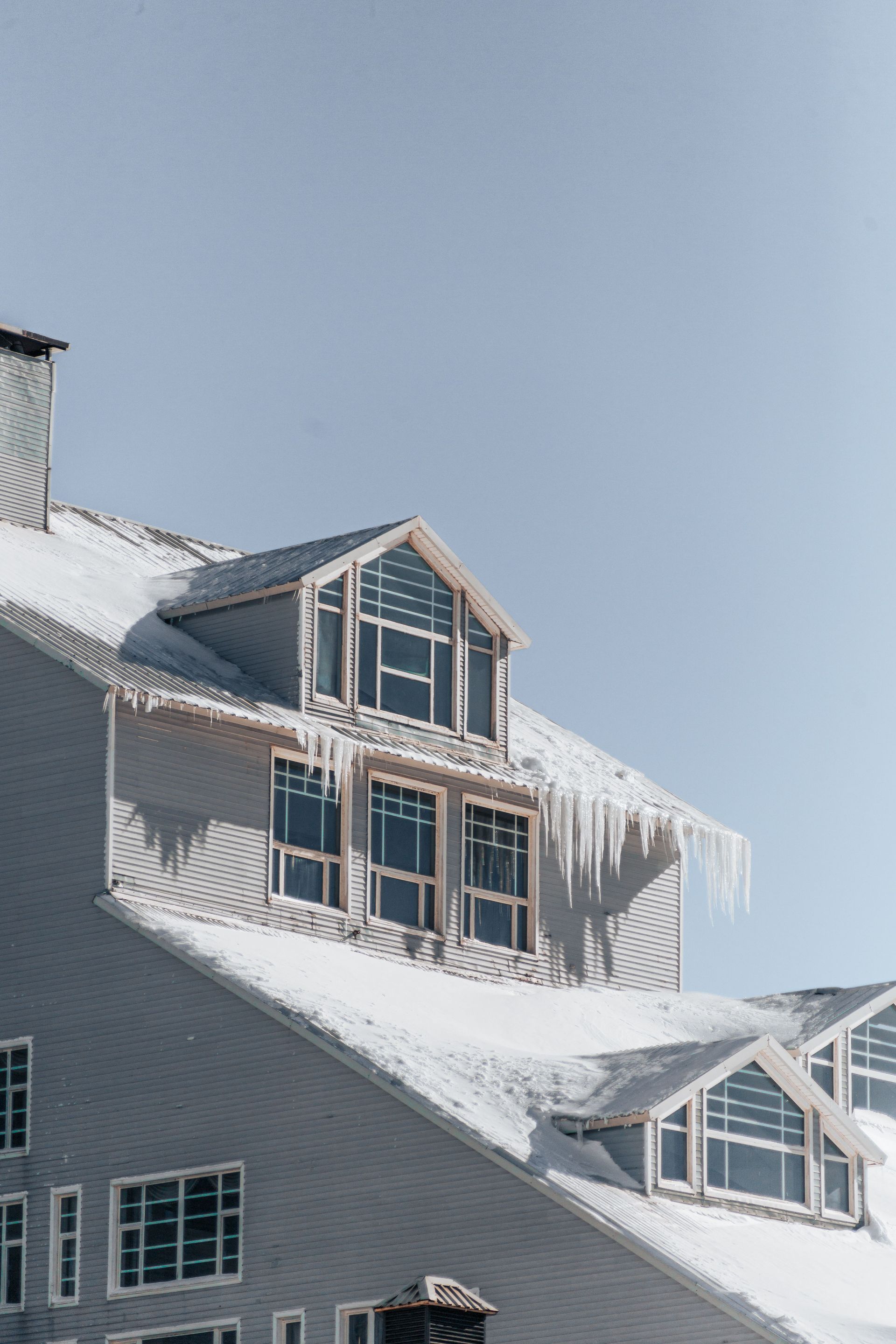
Are Heat Pumps Actually Good for Michigan Winters?
Yes — with the right system and the right installation. The technology that earned heat pumps a poor reputation in cold climates was the technology of the 1980s and 1990s. Current cold-climate models from manufacturers like Ruud are engineered specifically for regions that see sustained sub-freezing temperatures.
The honest answer is that most West Michigan homes are excellent candidates for a heat pump, and some are better served by a hybrid setup — a heat pump paired with a gas furnace that handles backup on the coldest days of the year. We run load calculations on every installation so the system we recommend is matched to your home's actual heat loss, not a rough estimate.
Heat Pump vs. Furnace: What West Michigan Homeowners Should Know
This isn't a competition with one right answer. The better question is which system fits your home, your utility costs, and your comfort priorities. Here's how we think about it:
When a Heat Pump Makes More Sense
- Your home already has ductwork in good condition
- You're replacing both a furnace and an air conditioner and want one system to handle both
- You're adding a room, finishing a basement, or building an addition where running new ductwork is impractical
- You want to reduce natural gas consumption and lower your heating costs over time
- You're in a commercial space that needs zone-by-zone temperature control
When a Furnace Still Makes More Sense
- Your home is in an area with very high electric rates relative to gas
- The existing ductwork isn't sized for a heat pump system and replacement isn't in the budget
- You heat primarily with a boiler and have no existing forced-air infrastructure
- Your heating load is unusually high due to poor insulation or a large older home
When a Hybrid System Is the Right Call
Some homes — particularly those in colder inland zones of West Michigan — are best served by a hybrid system. A cold-climate heat pump handles the majority of the heating season efficiently, while a gas furnace takes over when temperatures drop to the point where straight gas combustion becomes more economical. This setup captures most of the efficiency benefits of a heat pump without asking it to carry the full load on the hardest days.
What to Expect from Heat Pump Maintenance
Heat pump systems require service twice a year — once before heating season and once before cooling season — because the same equipment is working year-round. That's one additional visit compared to a furnace-only home. Our maintenance plans cover heat pump systems on a bi-annual schedule, keeping efficiency high and catching wear before it becomes a repair.
Heat Pump Installation and Repair Across West Michigan
We install and service heat pump systems in Kalamazoo, Grand Rapids, Holland, Portage, and Allegan, and throughout the surrounding communities. Every installation starts with a proper load calculation — we don't size equipment by guesswork or by what was there before.
If your existing heat pump isn't keeping up, we diagnose it the same way we approach any repair: find the actual cause, tell you what it will cost to fix, and give you an honest read on whether repair or replacement makes more economic sense. We're not in the business of selling equipment people don't need.
Heat Pump Questions from West Michigan Homeowners
Are heat pumps effective in Michigan winters?
Modern cold-climate heat pumps are engineered to operate efficiently at temperatures well below 0°F. The systems available today are a significant technological departure from older models — most West Michigan homes are good candidates, and those in colder inland zones can pair a heat pump with a gas backup for full-season coverage.What is a hybrid heat pump system?
A hybrid system combines a cold-climate heat pump with a gas furnace. The heat pump handles the majority of the heating season, where it operates more efficiently than straight gas combustion. The furnace takes over during extreme cold snaps when gas becomes the more economical fuel source. It's a practical solution for homeowners who want efficiency gains without giving up cold-weather reliability.How often does a heat pump need to be serviced?
Heat pump systems should be serviced twice a year — once in fall before heating season, and once in spring before cooling season. Because the same unit handles both heating and cooling, it accumulates more operating hours than a furnace or AC alone, making bi-annual maintenance the right standard.Can a heat pump replace both my furnace and air conditioner?
In most cases, yes. A properly sized heat pump handles both heating and cooling from a single system. If your home already has ductwork, the transition is straightforward. Homes without ductwork can be served by ductless mini-split systems, which operate on the same heat pump principle without requiring any duct infrastructure.Does Andringa's Mechanical install Ruud heat pumps?
Yes. We're an authorized Ruud Pro partner — one of the few in West Michigan — covering heat pumps, furnaces, and boiler systems. Ruud's cold-climate line is among the strongest performing equipment available for Michigan conditions, and our dealer status means full warranty support on every installation.
Ready to Find Out If a Heat Pump Is Right for Your Home?
We'll assess your home, run the numbers, and give you a straight answer — including when a heat pump isn't the best fit. No pressure, no manufactured urgency, just an honest recommendation from a team that's been in this trade since 2003.